
There was only one major story that stood out this week@work: sexual harassment allegations against one of the most powerful men in Hollywood. It incorporated all the elements of stories reported earlier this year, in Silicon Valley and at Fox News. Will 2017 be the end of “the era of willful ignorance and shameful complicity in sexually predatory behavior and workplace harassment” ?
Time will tell. The common thread to all – the responses: “It’s about time.” “Nobody is surprised.” It doesn’t matter where you work. Women know the story. Women professionals relate to the description of the work environment: an unsafe place. A workplace absent of values and respect.
On the front pages of major newspapers, it’s Hollywood. In the neighborhood, it’s the local fast-food restaurant.
Alexandria Symonds provided a window into the ‘story behind the story’ of The New York Times journalists who covered “three major investigative reports about sexual misconduct across the media, tech and film industries” this year.
“It starts with a whisper. A prominent man has used his wealth and power to harass or abuse a woman — or worse — and then to intimidate her, or to buy her silence.
As several reporters at The New York Times have learned this year, it rarely ends with a single woman, a single whisper.”
On October 5, The New York Times journalists Jodi Kantor and Megan Twohey reported ‘Harvey Weinstein Paid Off Sexual Harassment Accusers for Decades.’
“Dozens of Mr. Weinstein’s former and current employees, from assistants to top executives, said they knew of inappropriate conduct while they worked for him. Only a handful said they ever confronted him.
Mr. Weinstein enforced a code of silence; employees of the Weinstein Company have contracts saying they will not criticize it or its leaders in a way that could harm its “business reputation” or “any employee’s personal reputation,” a recent document shows. And most of the women accepting payouts agreed to confidentiality clauses prohibiting them from speaking about the deals or the events that led to them.”
On October 10, journalist Ronan Farrow described the results of his ten month investigation, ‘From Aggressive Overtures to Sexual Assault: Harvey Weinstein’s Accusers Tell Their Stories’.
“For more than twenty years, Weinstein, who is now sixty-five, has also been trailed by rumors of sexual harassment and assault. His behavior has been an open secret to many in Hollywood and beyond, but previous attempts by many publications, including The New Yorker, to investigate and publish the story over the years fell short of the demands of journalistic evidence. Too few people were willing to speak, much less allow a reporter to use their names, and Weinstein and his associates used nondisclosure agreements, payoffs, and legal threats to suppress their accounts.
In the course of a ten-month investigation, I was told by thirteen women that, between the nineteen-nineties and 2015, Weinstein sexually harassed or assaulted them. Their allegations corroborate and overlap with the Times’ revelations, and also include far more serious claims.”
In a podcast conversation on Thursday, The New Yorker executive editor, Dorothy Wickenden and staff writer, Jia Tolentino discussed ‘The End of the Weinstein Era’ and the effect the revelations might have on modern workplace culture.
“Over the last year women have started coming forward because there is an obvious, absolute need to. There is support in the media. It’s all of a sudden seeming both infinitely more possible and more necessary to come forward.”
Ms. Symonds also detected an inkling of change in the outcomes of the three NY Times investigations.
“…the investigations are beginning to have powerful real-life consequences. Mr. Weinstein was fired by the Weinstein Company three days after The Times’s first report was published. Mr. O’Reilly was ousted by Fox News on April 19. And the venture capitalist Dave McClure stepped down from his company, 500 Startups, several days after Ms. Benner’s report.
The journalists agreed that there has also been an accompanying shift in the culture around disclosure. “I think that what you saw almost immediately was a growing safe space for more women to come forward and tell their stories,” Ms. Twohey said.”
This past week also marked the one year anniversary of the release of the infamous ‘Access Hollywood’ tapes. The risk of not speaking up has become a risk beyond our individual workplace.




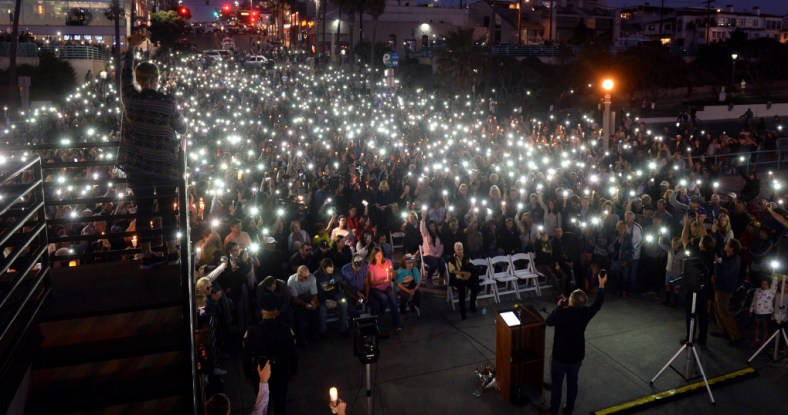 This week@work consider how you might do more than send thoughts and prayers.

 This was the week of the Las Vegas horror. If there was a time for leadership and visibility, this would be the moment. But as I walked the grounds on Capitol Hill, all was quiet.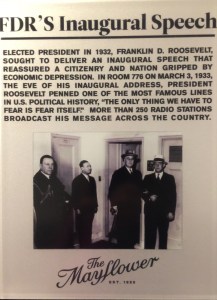





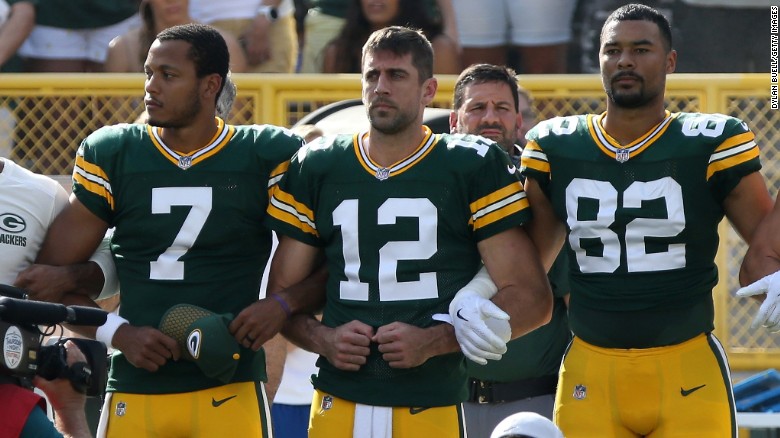 “The NFL had one of its finest moments before the games even began Sunday, coming together from every corner – players, coaches, owners and league office – in forceful rebuke of the latest torrent of hate from President Donald Trump. Whether black, white or brown, on bended knee or with locked arms, the NFL’s rare show of unity was both a dignified condemnation of the wrongs we still must right and a reminder that, for all of our differences, America remains our common ground.”


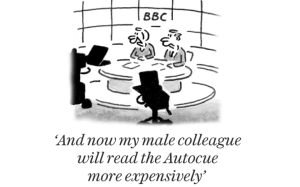
 “In theater as in life, there is a lot of manspreading: Men get more jobs, more money, more prizes, more stories told about them onstage than women do. The numbers are grim nearly everywhere, but especially on Broadway, where an Actors’ Equity study released last month
  “More than 40 years after women began pouring into the workplace, only a handful have made it all the way to the top of corporate America. The percentage of chief executives of Fortune 500 companies who are women just passed 6 percent, creeping up (and occasionally dropping back) at a glacial pace.
 “It’s true that vacationing can hold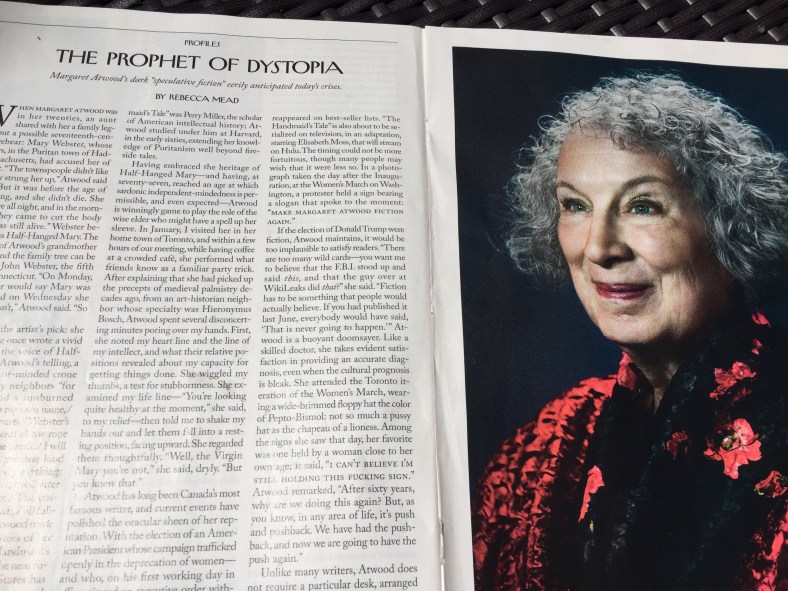






 workthoughts