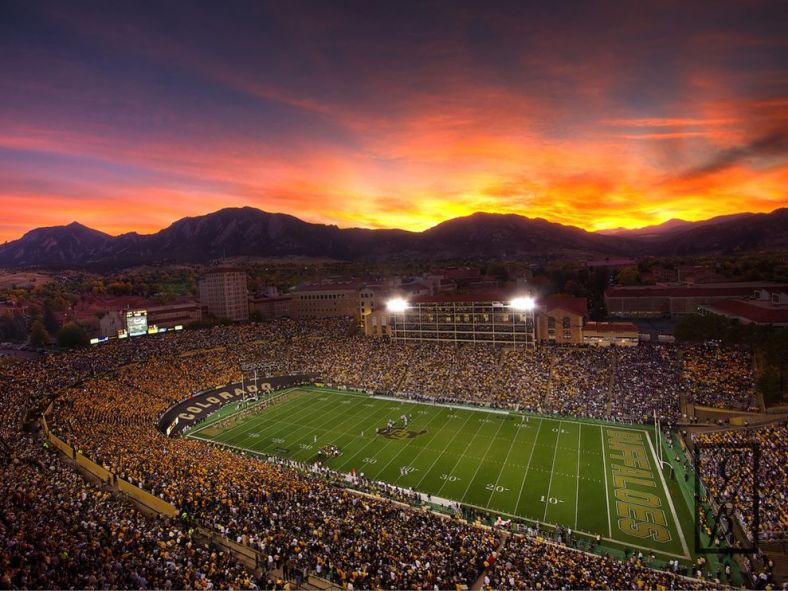
An essay published in The New York Times print edition yesterday argued for the establishment of a college degree in sports as a means to bring athletics closer to the academic mission of a university. I disagree.
The way to integrate athletics into the academic mission of the university is to ensure student-athletes have every opportunity to earn the college degree of their choice, engaging in all aspects of the academic enterprise: academic advising, interaction with faculty, collaboration with fellow students, and internships.
University of Colorado professor Roger Pielke Jr. asked “Why Not a College Degree in Sports?” Drawing on previous arguments, Professor Pielke suggested an inherent bias on campus against athletics.
“Widespread prejudice and legitimate resentment against athletics remains in academia, and no wonder. The $6.9 million annual salary of Nick Saban, the head football coach at the University of Alabama, is equal to the combined average salary for nearly 100 assistant professors at the school, according to the most recent data available. And beyond such economic disparities, class distinctions of 19th-century England still shape thinking about sport: Classical music is valued by high society, while sport is for the masses.”
Many have voiced concerns about the consequences of the money being thrown at ‘big time’ athletic programs and it’s appropriate to question a football coach’s salary that far exceeds a university president’s compensation.
But what is missed, always, is the student-athlete. And this is where I disagree with Professor Pielke’s proposal.
Students choose a college or university based on a number of factors: ‘fit’, financial assistance, choice of major, access to faculty, availability of internships, and career aspirations. The student-athlete’s choice includes all of the above, plus the chance to compete in their sport at the highest level.
Suggesting student-athletes enroll in a sports degree program, administered by an athletic department, fortifies an existing boundary; discouraging student athletes from developing key relationships with university academic advisors, faculty, administrators, and non-athlete students.
The college experience serves as a bridge to workplace reality. Isolating student-athletes eliminates access to ‘real world’ campus connections critical for career success.
If a student wants to pursue a career in sport, there are a variety of options in the liberal arts, journalism, business and law.
Rather than reinforce the existing ‘athletic department silo’ with a new curriculum, we can initiate these changes today:
A student-athlete should be able to select a major and complete their degree without influence or interference from their coach.
Practices should not conflict with class schedules.
A student-athlete should have access to all career planning activities including internships, networking events, and on-campus recruiting interviews.
A student-athlete should never have to choose between an academic commitment and their sport.
Coaches should venture beyond the venues of comfort and take opportunities to network with faculty.
We don’t need an ‘academic athletic department’. We need the adults on campus to refocus the debate without prejudice to the students.

 workthoughts